In the world of music production 🎶, “phase” is not an abstract concept reserved for audio geeks—it’s a critical element that can determine whether a mix sounds powerful and defined or weak and muddy.
Often overlooked, phase directly affects sound quality, clarity, and even stereo imaging.
What Is Phase in Audio
Simply put, phase describes the position of a sound wave in time relative to another.
When two waves are in phase, their peaks and troughs align, reinforcing each other and making the sound fuller and louder.
When they are out of phase, the peaks of one align with the troughs of the other, causing partial or total cancellation of certain frequencies.
This phenomenon is at the core of one of the most common recording and mixing issues: phase cancellation.
What Is Phase Shifting
Phase shifting is the time displacement of an audio signal relative to another.
It can happen naturally (for example, when microphones placed at different distances capture the same sound with slight timing differences) or artificially (when plugins, EQs, or processors introduce latency that shifts the signal).
When used intentionally, phase shifting can be a creative tool—such as in phasers or certain chorus effects, where shifting the phase creates movement and depth.
When it happens unintentionally and goes unchecked, it can seriously compromise mix quality.
Why Phase Matters So Much
Paying attention to phase is crucial because poor alignment can:
-
Dramatically reduce low-frequency presence (cancellations) 🎯
-
Make the sound thin and weak
-
Alter stereo balance
-
Cause inconsistencies between mono and stereo playback
A classic example is recording drums with multiple microphones: if the kick and overheads are out of phase, the impact of the kick can lose body and punch.
How to Check and Fix Phase Issues
To avoid unwanted phase shifting, you should:
-
Check time alignment of tracks recorded with multiple mics
-
Use polarity inversion (phase flip) to quickly detect cancellations
-
Zoom into the waveform to manually align transients
-
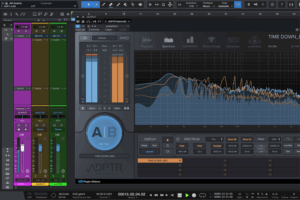
Use phase alignment plugins like Sound Radix Auto-Align or Waves InPhase
-
Always check in mono: if the sound loses significant body, you have a phase issue ⚠️
Phase Shifting in Plugins and Processing
Many processors—especially equalizers—introduce phase shift.
Minimum-phase EQs cause more noticeable phase movement, while linear-phase EQs maintain alignment but add latency and may introduce pre-ringing artifacts.
Choosing between them depends on context: in mastering, phase coherence is often critical, while in mixing, slight phase shifts can be used creatively to shape tone.
Conclusion
Phase is one of the most critical yet underestimated aspects of professional audio.
Ignoring it can compromise your mix, while managing it correctly can improve clarity, punch, and mono compatibility.
Remember: phase issues can’t be “fixed” in mastering—they need to be prevented and addressed during recording and mixing.
🎯 Want mixes and masters free from phase issues? Check out my professional mixing and mastering service and get your tracks sounding their absolute best.